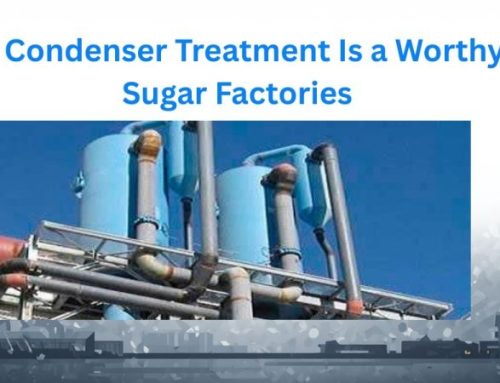
Why Condensate Corrosion Occurs
When steam condenses:
-
Dissolved CO₂ forms carbonic acid, lowering pH
-
Oxygen enters through vents, leaks, and condensate tanks
-
Wet metal surfaces accelerate corrosion
Common symptoms include:
-
High iron levels in condensate
-
Pitting and thinning of condensate pipelines
-
Heat exchanger fouling
-
Iron contamination returning to the boiler
-
Failures during startups and shutdowns
Neutralizing Amines: pH Control Solution
What Are Neutralizing Amines?
Neutralizing amines are volatile alkaline chemicals that travel with steam and neutralize carbonic acid in condensate.
Common examples include:
How They Work
-
CO₂ dissolves in condensate to form carbonic acid
-
Neutralizing amines raise condensate pH
-
Typical control range: pH 8.5 – 9.2
Benefits
Limitations
Neutralizing amines do not form a physical barrier on metal surfaces. Oxygen corrosion, startup corrosion, and shutdown damage can still occur.
Hydrolink typically applies neutralizing amines in simple steam systems with short condensate return lines and stable operation.
Film Forming Amines: Advanced Surface Protection
What Are Film Forming Amines?
Film forming amines (FFA) are long-chain organic amines that adsorb onto metal surfaces, forming a hydrophobic protective film.
How They Work
-
FFA molecules distribute throughout boiler, steam, and condensate sections
-
Bond at a molecular level to steel surfaces
-
The film:
Benefits
-
Active corrosion protection
-
Reduced iron carryover
-
Protection during shutdowns
-
Cleaner turbines and heat exchangers
-
Extended condensate line life
Hydrolink recommends film forming amines for high-pressure boilers, long condensate networks, and plants with frequent startups and shutdowns.
Blended Amines: The Modern Approach to Condensate Conditioning
As steam systems become more complex, relying on a single amine is often insufficient. Temperature variations and long return networks require engineered chemical distribution.
What Are Blended Amines?
Blended amines are carefully engineered combinations of:
-
Multiple neutralizing amines with different volatilities, and/or
-
Neutralizing amines combined with film forming amines
Hydrolink uses blended amine programs to achieve uniform corrosion protection from boiler outlet to the furthest condensate return.
Why Blended Amines Outperform Single Amines
Single amines often:
-
Over-protect near the boiler
-
Under-protect distant condensate lines
-
Create uneven pH profiles
Blended amines distribute protection evenly, eliminating localized acidic corrosion pockets.
Types of Blended Amine Programs Used by Hydrolink
1. Neutralizing Amine Blends (Multi-Volatility)
Different amines protect different parts of the system:
-
High volatility → early condensate
-
Medium volatility → mid-system
-
Low volatility → remote returns
Benefits
✔ Uniform condensate pH
✔ Reduced iron pickup
2. Neutralizing + Film Forming Amine Blends (Advanced)
This is Hydrolink’s preferred solution for critical steam systems.
How it works
Results
✔ Lower oxygen and CO₂ corrosion
✔ Reduced iron transport
✔ Protection during shutdowns
✔ Improved system cleanliness
Film Forming vs Neutralizing vs Blended Amines
| Feature |
Neutralizing |
Film Forming |
Blended |
| pH control |
Excellent |
Limited |
Excellent |
| Surface protection |
No |
Yes |
Yes |
| Oxygen corrosion control |
Poor |
Excellent |
Excellent |
| Uniform system protection |
Poor |
Moderate |
Excellent |
| Startup/shutdown protection |
Poor |
Good |
Excellent |
Hydrolink Case Insight (Field Example)
Industry: Process plant with long condensate network
Problem:
-
Condensate pH acceptable near boiler
-
High iron (>1.5 ppm) at distant returns
-
Frequent exchanger fouling
Hydrolink Solution:
Results:
-
Iron levels reduced by over 60%
-
Stable condensate pH across system
-
Improved exchanger cleanliness
-
Reduced corrosion-related maintenance
Hydrolink Condensate Treatment Strategy
-
System audit
Boiler pressure, condensate length, oxygen ingress points
-
Engineered chemical selection
Neutralizing, film forming, or blended program
-
Controlled application
Gradual dosing to ensure proper film formation
-
Performance monitoring
pH, iron, turbidity, and trend analysis
Conclusion
Neutralizing amines control pH, film forming amines protect surfaces, and blended amines deliver complete system protection.
Hydrolink Technologies Ltd provides engineered condensate treatment solutions that protect your steam system from boiler to condensate return.
👉 Want to reduce condensate corrosion in your plant?
Contact Hydrolink Technologies Ltd for a condensate treatment assessment tailored to your system.