Introduction:
Is Your Condenser Operating at Peak Efficiency?
In industrial processing, condenser heat exchangers play a critical role in energy efficiency, process temperature control and production reliability.
However, one of the most overlooked causes of declining condenser performance is poor cooling water treatment .
Scaling, corrosion, fouling and microbiological growth can gradually compromise heat transfer efficiency, increase energy consumption and trigger unexpected equipment failures.
For industries operating continuous production processes, even a modest decline in condenser efficiency can translate into significant operating costs.
Effective condenser cooling water treatment is therefore not simply a maintenance activity — it is an investment in plant efficiency, equipment reliability and production continuity.
1. Why Condenser Cooling Water Treatment Matters
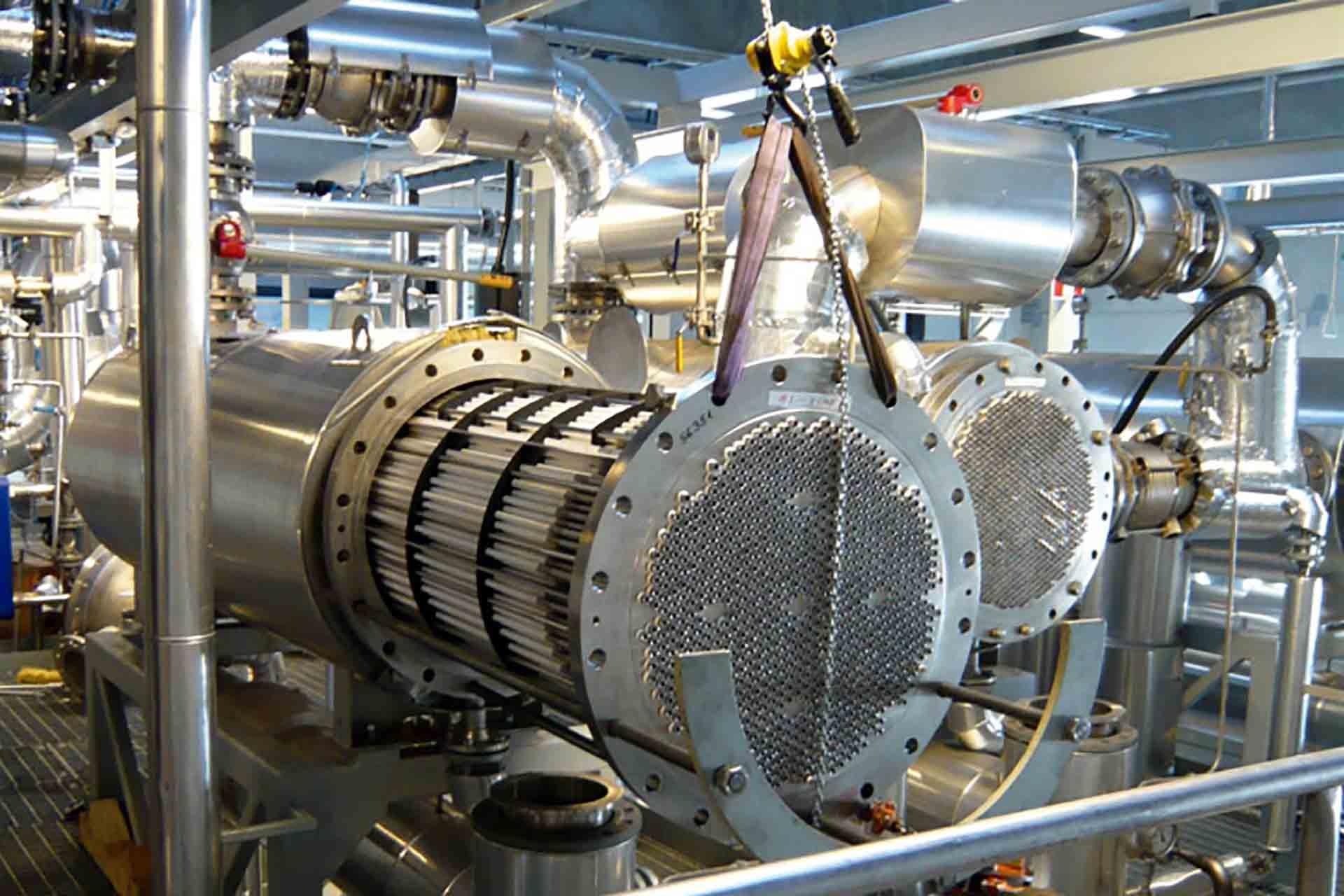
Condenser heat exchangers transfer heat from process fluids or vapours into a cooling medium, commonly circulating water.
Their performance depends on maintaining clean heat transfer surfaces, adequate cooling water flow and suitable operating temperatures.
Poor cooling water treatment creates four major operational challenges:
Scaling and Mineral Deposits
Calcium carbonate, silica and other mineral deposits accumulate on heat exchanger surfaces, forming insulating layers that restrict heat transfer.
Operational impact:
- Reduced heat transfer efficiency
- Higher cooling water temperature approach
- Increased energy consumption
- More frequent chemical cleaning and maintenance
- Loss of production due to downtime
Corrosion and Equipment Deterioration
Uncontrolled cooling water chemistry can accelerate corrosion of condenser tubes, tube sheets and associated piping.
Operational impact:
- Premature equipment deterioration
- Tube leakages and potential process contamination
- Increased maintenance expenditure
- Unexpected equipment shutdowns
Biofouling and Microbiological Growth
Microorganisms can form biofilms on condenser surfaces, reducing thermal performance and potentially contributing to microbiologically induced corrosion. (MIC)
Operational impact:
- Reduced cooling efficiency
- Increased hydraulic resistance
- Higher cleaning frequency
- Increased risk of equipment failure
Suspended Solids and Fouling
Silt, organic matter and suspended particles can accumulate within condenser tubes and cooling water circuits.
This restricts flow, reduces effective heat transfer area and increases maintenance requirements.
2. The Hidden Financial Cost of Poor Condenser Performance
The consequences of inadequate cooling water treatment extend beyond equipment maintenance.
| Operational challenge | Potential business impact |
|---|---|
| Reduced heat transfer efficiency | Increased energy consumption |
| Higher condensing temperatures | Reduced refrigeration or process efficiency |
| Scale and deposit accumulation | Increased cleaning costs |
| Corrosion and tube failures | Equipment repairs and replacement |
| Restricted cooling water flow | Increased pumping requirements in some systems |
| Unplanned condenser shutdowns | Lost production and revenue |
In refrigeration systems, higher condensing temperatures can increase compressor power consumption.
In steam surface condensers, poor heat transfer can adversely affect condenser vacuum and turbine performance.
In process condensers, inadequate cooling can affect production stability and throughput.
The true cost of poor cooling water treatment is therefore measured not only in chemical consumption, but also in energy losses, maintenance expenditure and production interruptions.
3. How Effective Cooling Water Treatment Improves Condenser Efficiency
A properly designed industrial cooling water treatment programme addresses the root causes of condenser performance deterioration.
Scale inhibition and deposit control
Specialised scale inhibitors help control mineral precipitation and deposition on heat exchanger surfaces, maintaining efficient thermal performance.
Corrosion protection
Appropriate corrosion inhibitors help protect condenser metallurgy and cooling water piping, reducing the risk of premature equipment failure.
Microbiological control
A well-managed biocide programme controls microbial populations and biofilm development, supporting reliable cooling system operation.
Water chemistry monitoring
Routine monitoring of pH, conductivity, hardness, alkalinity, inhibitor residuals and microbiological activity supports consistent treatment performance.
Treatment selection should consider water quality, operating temperature, system metallurgy, cycles of concentration and environmental discharge requirements.
4. Measuring Condenser Cooling Water Treatment Performance
An effective treatment programme should deliver measurable operational improvements.
Key performance indicators include:
| Performance indicator | What it helps assess |
| Cooling water inlet and outlet temperatures | Cooling duty and thermal performance |
| Condenser approach temperature | Heat transfer performance under comparable operating conditions |
| Heat transfer coefficient | Degree of thermal deterioration or fouling |
| Cooling water differential pressure | Potential flow restriction and fouling |
| Corrosion coupon results | Corrosion control effectiveness |
| Microbiological monitoring | Biofouling control effectiveness |
| Cleaning frequency | Long-term deposit control performance |
| Energy consumption | Operational efficiency and treatment value |
These indicators should be evaluated alongside flow rates, process loads and operating conditions to distinguish water-side fouling from other performance problems.
The objective is to move from reactive condenser cleaning to proactive, performance-based cooling water management.
5. Industries That Benefit from Condenser Cooling Water Treatment
Effective condenser cooling water management is particularly important in:
- Dairy and Food Processing: Refrigeration condensers and process cooling systems.
- Sugar Manufacturing: Vacuum pan and evaporator condenser systems.
- Power Generation: Steam turbine surface condensers and auxiliary cooling circuits.
- Steel Manufacturing & Metal Processing: Cooling water circuits serving furnace cooling systems, continuous casting machines, rolling mills and associated heat exchangers. Effective scale, corrosion and biofouling control helps maintain cooling efficiency, protect critical equipment and reduce production interruptions.
- Chemical and Pharmaceutical Manufacturing: Process condensers and temperature-controlled production systems.
- Distilleries and Ethanol Plants: Distillation condensers and process cooling circuits.
- Paper and Pulp Manufacturing: Process cooling and heat recovery systems.
Although operating conditions differ, the objective remains consistent: maximise heat transfer efficiency while minimising equipment deterioration, energy consumption and production downtime.
For steel manufacturers in particular, reliable cooling water treatment is essential for equipment protection, consistent production quality and uninterrupted plant operations.
6. Hydrolink Technologies Ltd: Your Partner in Cooling Water Treatment Optimisation
At Hydrolink Technologies Ltd, we understand that effective industrial water treatment must deliver measurable operational value.
Our technical approach focuses on identifying the causes of condenser performance deterioration and implementing customised chemical treatment programmes.
Our solutions include:
- Cooling water chemistry assessment and system evaluation
- Scale inhibition and deposit control
- Corrosion prevention programmes
- Microbiological and biofilm control
- Chemical dosing programme optimisation
- Routine water quality monitoring and technical support
Our goal is to help industrial facilities achieve cleaner heat transfer surfaces, improved cooling efficiency, reduced maintenance requirements and reliable plant operations.
7. Take Action: Is Your Condenser Losing Efficiency?
Rising energy consumption, declining cooling performance or frequent condenser cleaning could indicate an underperforming cooling water treatment programme.
Rather than waiting for equipment failure or costly shutdowns, consider a technical evaluation of your cooling water system.
🔬 Engage Hydrolink Technologies Ltd for a condenser cooling water assessment, covering:
- Cooling water chemistry and scaling potential
- Corrosion and microbiological risk
- Condenser fouling and thermal performance indicators
- Chemical dosing effectiveness and treatment optimisation opportunities
Protect Your Condensers. Improve Heat Transfer. Reduce Energy Costs.
Partner with Hydrolink Technologies Ltd.
Providing solutions and value at every step of the process!
Frequently Asked Questions
What causes scaling in condenser heat exchangers?
Scaling occurs when dissolved minerals, including calcium carbonate and silica, precipitate and accumulate on heat transfer surfaces due to changes in temperature, concentration and water chemistry.
How does cooling water treatment reduce energy consumption?
Effective treatment helps maintain clean heat transfer surfaces and efficient heat exchange. This can reduce unnecessary energy consumption associated with deteriorating condenser performance.
How often should condenser cooling water be tested?
Testing frequency depends on system design, water quality, operating conditions and treatment chemistry. Critical parameters may require continuous online monitoring, while others can be tested daily, weekly or periodically.
Can chemical treatment eliminate condenser cleaning?
Chemical treatment can significantly reduce deposit formation and cleaning frequency, but periodic inspection and cleaning may still be necessary depending on operating conditions.
Why is cooling water treatment important in steel manufacturing?
Steel manufacturing uses cooling water in high-temperature processes, including continuous casting, rolling mills and furnace cooling systems. Poor water quality can cause scaling, corrosion, blocked cooling passages and reduced heat transfer efficiency, potentially affecting equipment reliability and production quality.
What is the best cooling water treatment programme for industrial condensers?
The most suitable programme depends on makeup water quality, condenser metallurgy, operating temperatures, cooling water concentration cycles and system-specific fouling risks. A technical assessment is recommended before selecting treatment chemicals.